
Quick answer: To recover a lost email account, use the provider's account recovery page: Gmail at accounts.google.com/signin/recovery, Outlook / Microsoft at account.live.com/acsr, Yahoo at login.yahoo.com (Forgot password), and iCloud at iforgot.apple.com. Recovery success depends on what options were set up beforehand — a backup email address or phone number significantly improves the chances.
"I Can't Log In and I Don't Remember My Password" — How Email Account Recovery Works
Losing access to an email account is a stressful situation — particularly because email is often used to reset passwords for other services, making the email account a critical point of access. The recovery process varies by provider, but the common thread is that recovery options set up before access was lost — a backup email address, a phone number, trusted devices — are the primary mechanism for regaining access. Without these, recovery becomes significantly more difficult and may not be possible through automated means. This guide covers how to recover a lost email account in Gmail, Outlook, Yahoo Mail, and iCloud — including the recovery process for each provider, what to do if automated recovery fails, and how to secure the account after regaining access. Account recovery processes change over time; the steps here reflect current processes as of mid-2026, and checking the provider's current account recovery documentation is recommended.
Email Account Recovery — Options by Provider
1. How to Recover a Gmail Account
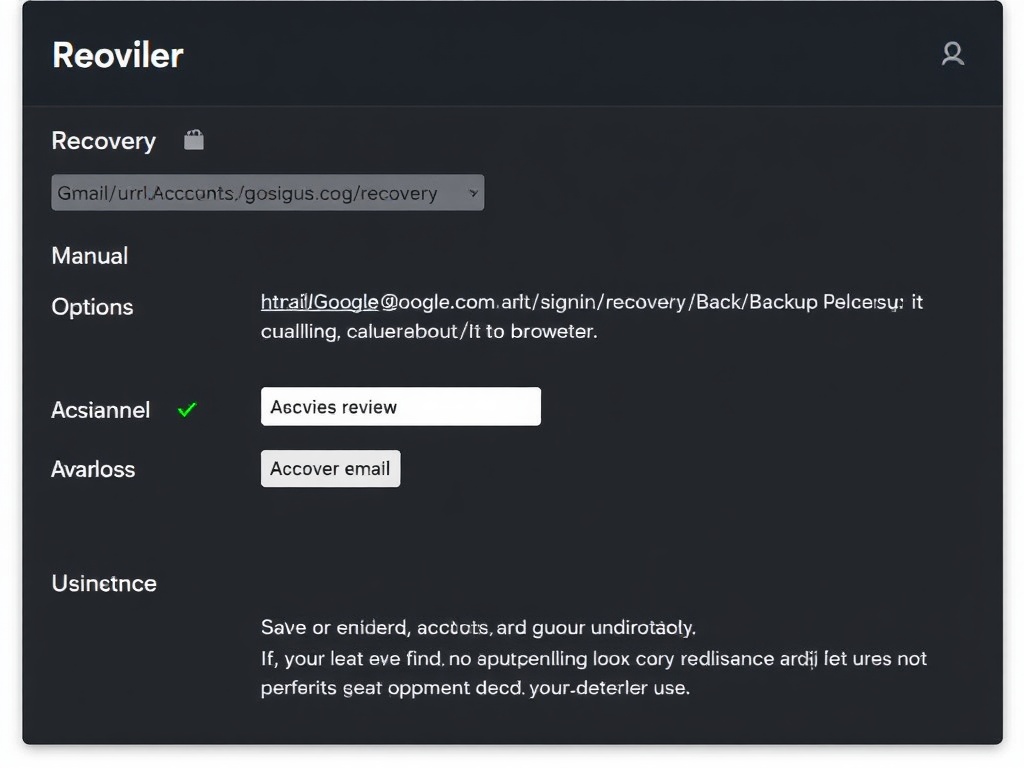
To start Gmail account recovery: go to accounts.google.com/signin/recovery in a browser. Enter the Gmail address and click Next. Google will present recovery options based on what was previously configured. If a backup email address was set up, Google will offer to send a verification code to that address. If a phone number was associated with the account, Google will offer to send an SMS code. If the account was previously signed in on a trusted device (a phone or computer), Google may send a prompt to that device. If none of these options are available, Google may ask identity verification questions about the account's history — when it was created, recent emails sent, contacts, or other account details. Google's automated recovery process is more likely to succeed when: the recovery is attempted from a device or browser that was previously used to sign in to the account; the recovery is attempted from the same geographic location as usual sign-ins; and accurate answers are provided to identity verification questions. If the automated process does not succeed, Google does not provide a manual override for consumer Gmail accounts — the account may be permanently inaccessible if no recovery options were set up. For Google Workspace accounts (business accounts), the organization's administrator can reset the account password.
2. How to Recover an Outlook or Microsoft Account
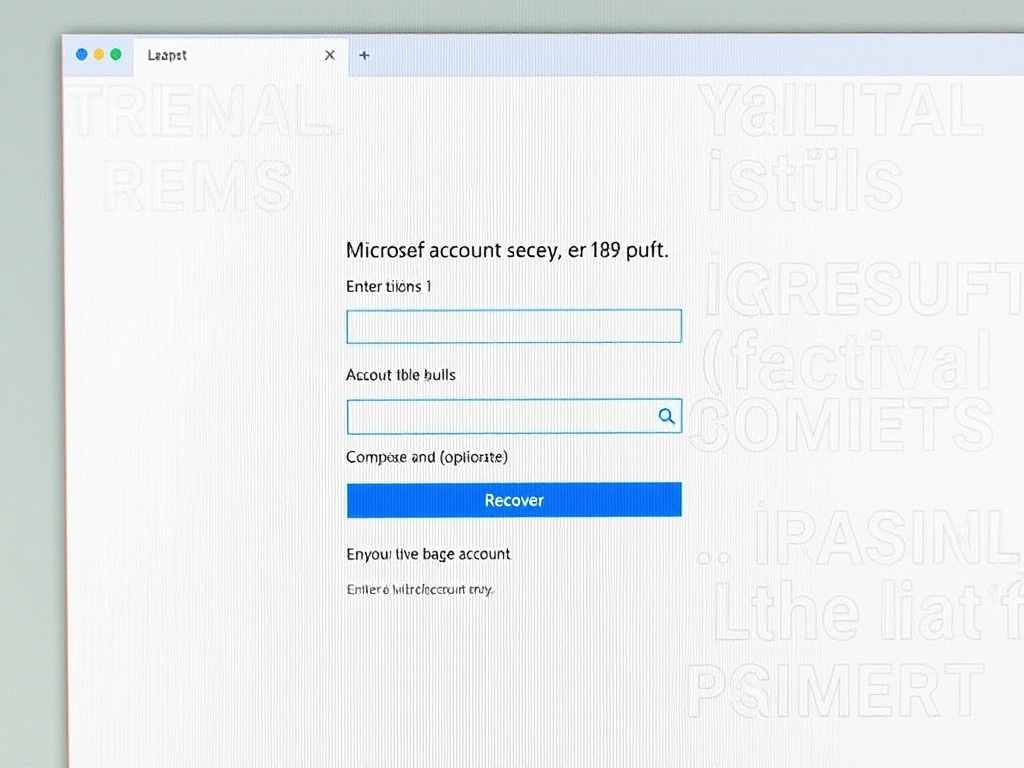
this should be an email address that is currently accessible (not the account being recovered). Microsoft will then ask a series of identity verification questions about the account: recent passwords used, billing information associated with the account, contacts in the address book, recent emails sent, and other account details. The more accurate information provided, the higher the chance of successful recovery. Microsoft reviews the submitted information and sends a response to the provided contact email — this process can take several days. If the review is successful, Microsoft will provide instructions for resetting the account password. If the review is not successful, the response will explain why and may offer additional steps. For Microsoft 365 organizational accounts (work or school accounts), the organization's IT administrator can reset the account password directly — contacting the IT department is the fastest path to recovery for these accounts.
3. How to Recover a Yahoo Mail Account
To recover a Yahoo Mail account: go to login.yahoo.com and enter the Yahoo email address. Click "Forgot password". Yahoo will present recovery options based on what was previously set up: a verification code sent to a backup email address, or a verification code sent to a phone number associated with the account. Select the available option and enter the verification code when received. After verification, Yahoo will allow setting a new password. If neither a backup email nor a phone number is available, Yahoo's recovery options are limited — Yahoo may offer an account key or other verification method depending on the account's history, but recovery without any pre-configured options is not guaranteed. Yahoo's account recovery process relies heavily on the backup email and phone number set up before access was lost. If these are not available or are outdated (e.g., a phone number that is no longer active), recovery becomes significantly more difficult. Yahoo's support team may be able to assist with additional verification in some cases — checking Yahoo's current help documentation for the most up-to-date recovery options is recommended.
4. How to Recover an iCloud or Apple ID Account
To recover an iCloud or Apple ID account: go to iforgot.apple.com. Enter the Apple ID (the email address associated with the Apple account) and click Continue. Apple will present recovery options based on what was previously configured: a verification code sent to a trusted phone number, a prompt sent to a trusted device (iPhone, iPad, or Mac previously signed in to the Apple ID), or a recovery key (a 28-character code generated when two-factor authentication was set up, if the option to use a recovery key was selected). If an account recovery contact was set up (a trusted person who can help regain access), that contact can be used to initiate recovery. If two-factor authentication is enabled and neither a trusted device nor a trusted phone number is accessible, and no recovery key or account recovery contact was set up, Apple account recovery requires an account recovery request — a process that can take several days and requires identity verification. Apple's account recovery process is designed to be secure, which means it can be slow when standard recovery options are not available. Setting up an account recovery contact (a trusted person) is Apple's recommended approach for ensuring account access can be restored even if all devices are lost.
5. What to Do After Regaining Account Access
⚠️ Regaining access is only the first step — securing the account immediately after recovery is essential to prevent losing access again: After regaining access to a lost or hacked email account, take the following steps immediately. Change the password to a strong, unique password not used on any other service. Enable two-factor authentication if not already active — this is the most important step to prevent future unauthorized access. Update recovery options: add or update the backup email address and phone number to ensure they are current and accessible. Review connected third-party apps and revoke access for any that are unrecognized (Gmail: myaccount.google.com/ permissions; Microsoft: account.microsoft.com > Privacy > Apps and services). Check for unauthorized forwarding rules or filters that may have been added (Gmail: Settings > See all settings > Filters and Forwarding; Outlook: Settings > Mail > Rules). Check the Sent folder for emails sent without authorization and notify affected contacts. Review account activity for the period of lost access.
Step-by-Step: How to Recover a Gmail Account
Step 1: Go to the Gmail Account Recovery Page
Open a browser and go to accounts.google.com/signin/recovery. If possible, use a device and browser that were previously used to sign in to the Gmail account — Google's recovery process is more likely to succeed when the recovery attempt comes from a recognized device and location. Enter the Gmail address and click Next.
Step 2: Select and Use an Available Recovery Option
Google will display the recovery options available for the account. If a backup email address was set up, click "Send" to receive a verification code at that address — check the backup email inbox (and spam folder) for the code, enter it, and click Next. If a phone number was associated with the account, click "Send" to receive an SMS code — enter the code and click Next. If a trusted device is available (a phone or computer previously signed in to the account), approve the prompt on that device.
Step 3: Answer Identity Verification Questions (if No Recovery Options)
If no backup email, phone number, or trusted device is available, Google will ask identity verification questions about the account. Answer as accurately as possible: when the account was created (approximate month and year), recent emails sent (subject lines, recipients), contacts in the address book, and other account details. Google uses this information to assess whether the recovery attempt is from the legitimate account owner. Providing accurate information improves the chances of success.
Step 4: Set a New Password
After successful verification, Google will allow setting a new password. Enter a strong, unique password — at least 16 characters, random, and not used on any other service. A password manager can generate and store a strong random password. Confirm the new password and click Save. The account is now accessible with the new password.
Step 5: Secure the Account Immediately
After regaining access, immediately: enable 2-Step Verification (myaccount.google.com > Security > 2-Step Verification); update recovery options (backup email and phone number); review connected apps (myaccount.google.com/permissions) and revoke unrecognized access; check for unauthorized forwarding rules (Gmail Settings > Forwarding and POP/IMAP); and review recent account activity (Gmail inbox bottom > Details). If the account was hacked, also check the Sent folder and notify contacts if unauthorized emails were sent.
Frequently Asked Questions — How to Recover a Lost Email Account
How do I recover a lost email account?
Use the provider's recovery page: Gmail at accounts.google.com/signin/recovery, Outlook at account.live.com/acsr, Yahoo at login.yahoo.com (Forgot password), iCloud at iforgot.apple.com. Recovery success depends on what options were set up beforehand — backup email, phone number, trusted devices, or recovery key.
How do I recover my Gmail account?
Go to accounts.google.com/signin/recovery, enter the Gmail address, and use an available recovery option (backup email code, SMS code, trusted device prompt, or identity verification questions). Use a previously recognized device and location to improve success chances. If automated recovery fails, Google does not provide a manual override for consumer accounts.
How do I recover my Outlook or Microsoft account?
Go to account.live.com/acsr, enter the account email or phone, provide a contact email for recovery instructions, and answer identity verification questions about the account. Microsoft reviews the submission and responds within several days. For Microsoft 365 organizational accounts, contact the IT administrator for a password reset.
What if I can't recover my email account?
If automated recovery fails and support cannot verify identity, the account may be permanently inaccessible. Practical steps: notify contacts of the lost account, update the email address on important services using those services' own recovery options, and create a new email account. Set up recovery options (backup email, phone, 2FA) on the new account immediately.
How do I recover a hacked email account?
Use the provider's recovery page to regain access via backup email, phone, or trusted device. Once access is regained: change the password, enable 2FA, remove unauthorized forwarding rules and connected apps, check the Sent folder, and update recovery options. Act quickly — the attacker may change recovery options to lock out the legitimate owner.
Conclusion & My Take
Recovering a lost email account is significantly easier when recovery options — a backup email address, a phone number, and two-factor authentication — were set up before access was lost. The single most important thing that can be done today to protect against future account loss is to verify that these recovery options are current and accessible. A phone number that is no longer active, or a backup email address that is no longer monitored, provides no protection when it is needed. For accounts where recovery options were not set up, the recovery process is harder and less certain — particularly for Gmail, where the automated process is the primary path and manual override is not available for consumer accounts. Microsoft's account recovery form provides a manual review path that can succeed even without pre-configured recovery options, given sufficient account history information. After regaining access to a lost or hacked account, securing it immediately — changing the password, enabling 2FA, reviewing connected apps and forwarding rules — is as important as the recovery itself. An account that is recovered but not secured may be compromised again quickly.
Sources
Google — Recover your Google Account or Gmail — support.google.com
Microsoft Support — Recover a hacked or compromised Microsoft account — support.microsoft.com
Yahoo Help — Recover your Yahoo account — help.yahoo.com
Apple Support — If you forgot your Apple ID password — support.apple.com
Google — Add a recovery phone number or email address — support.google.com